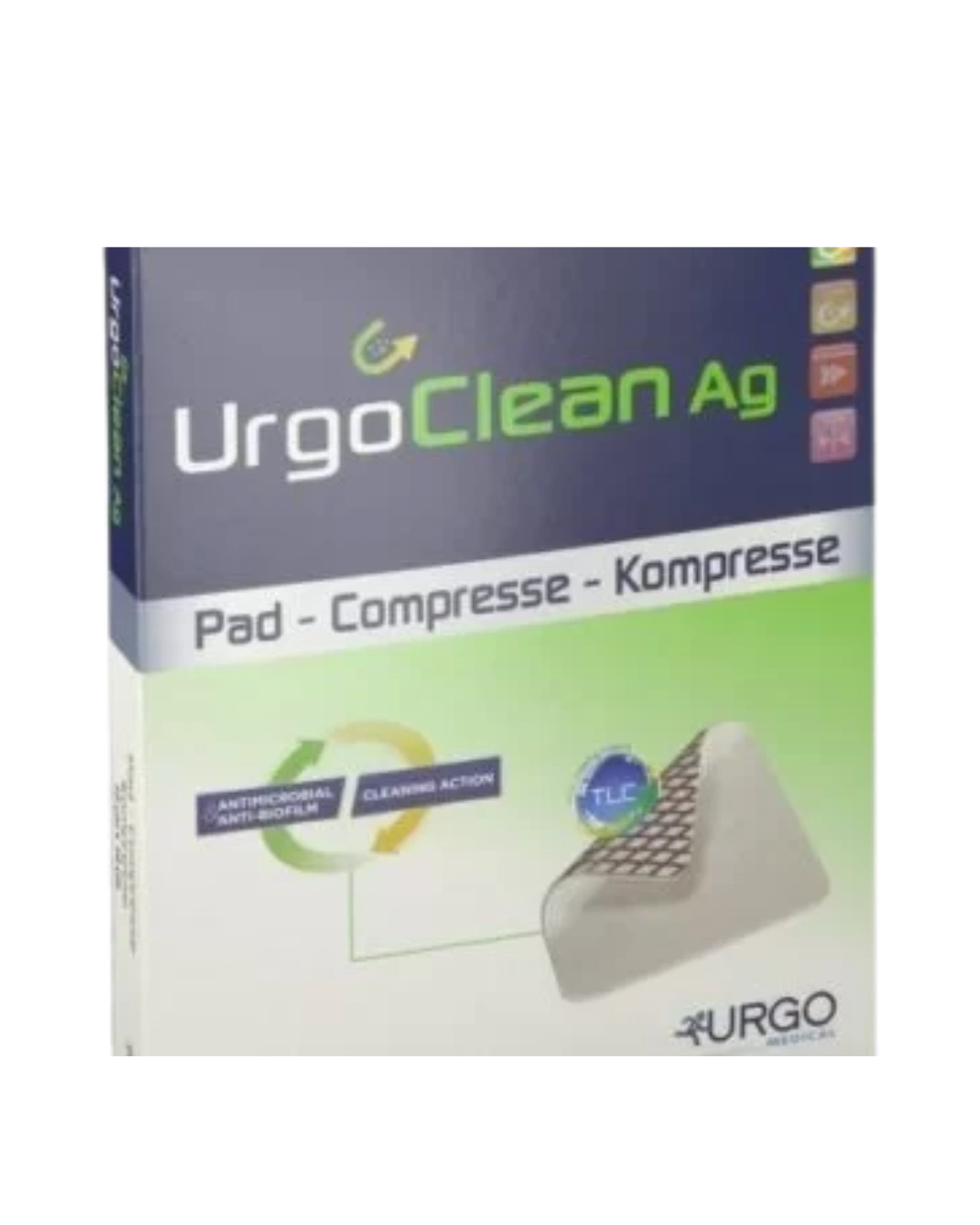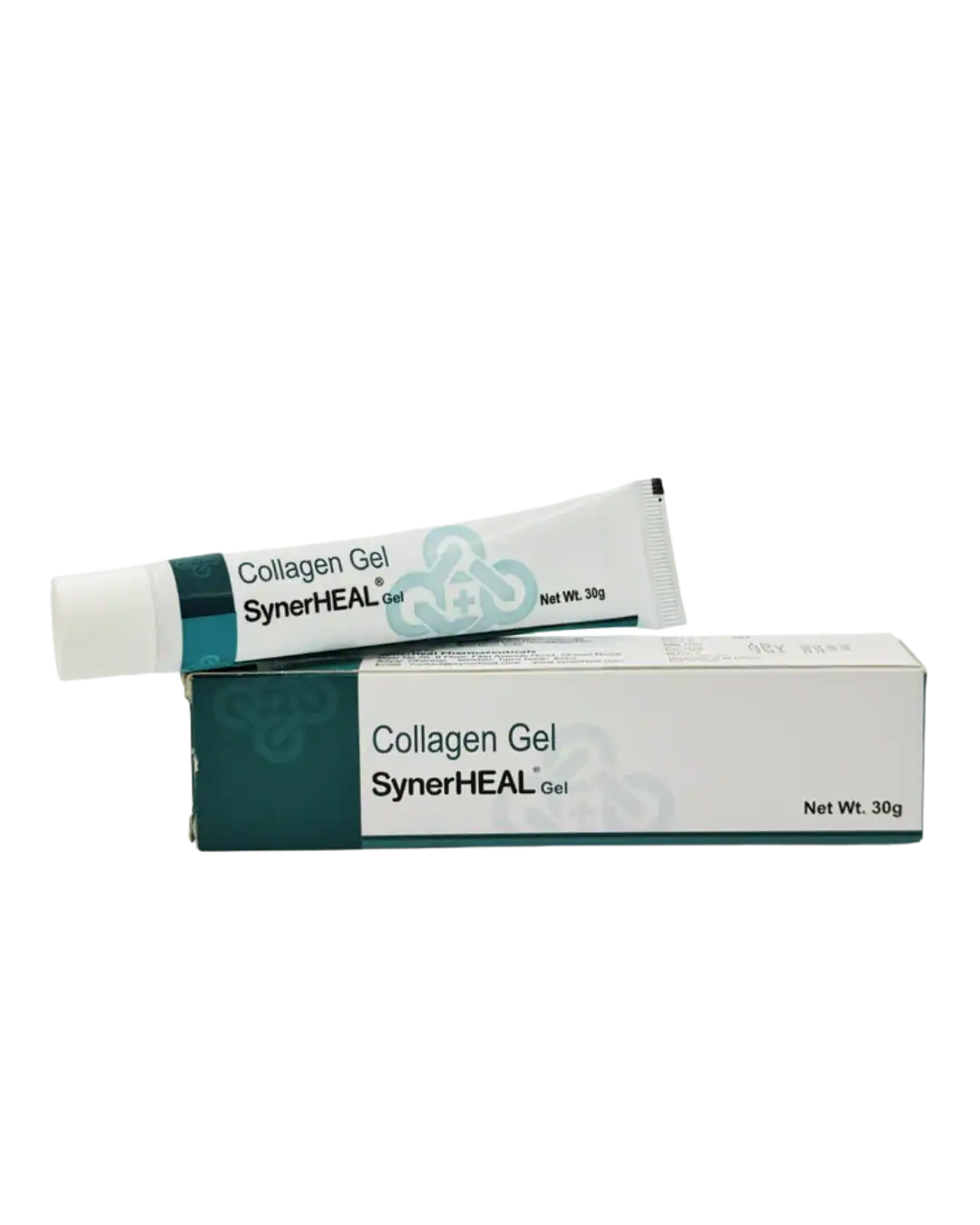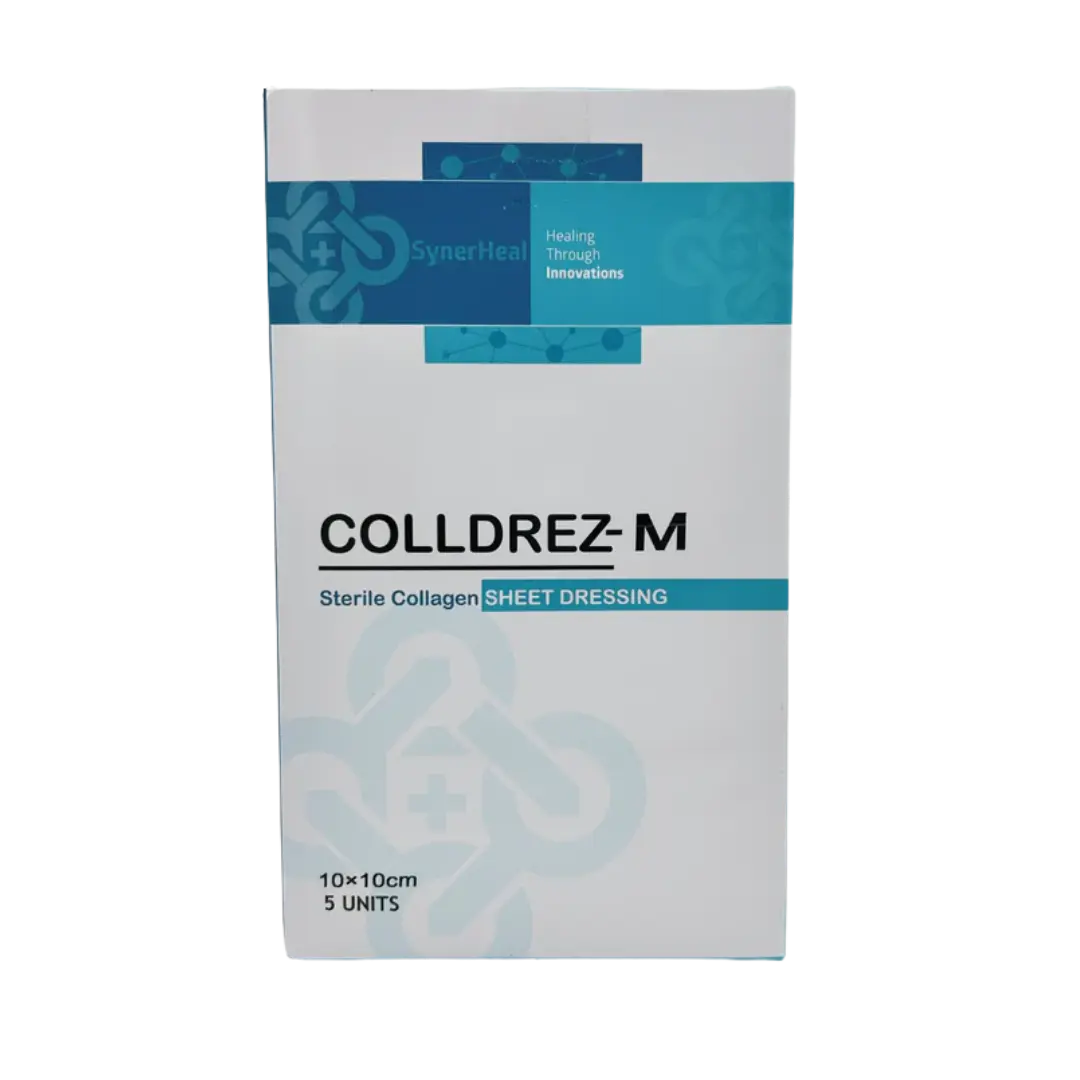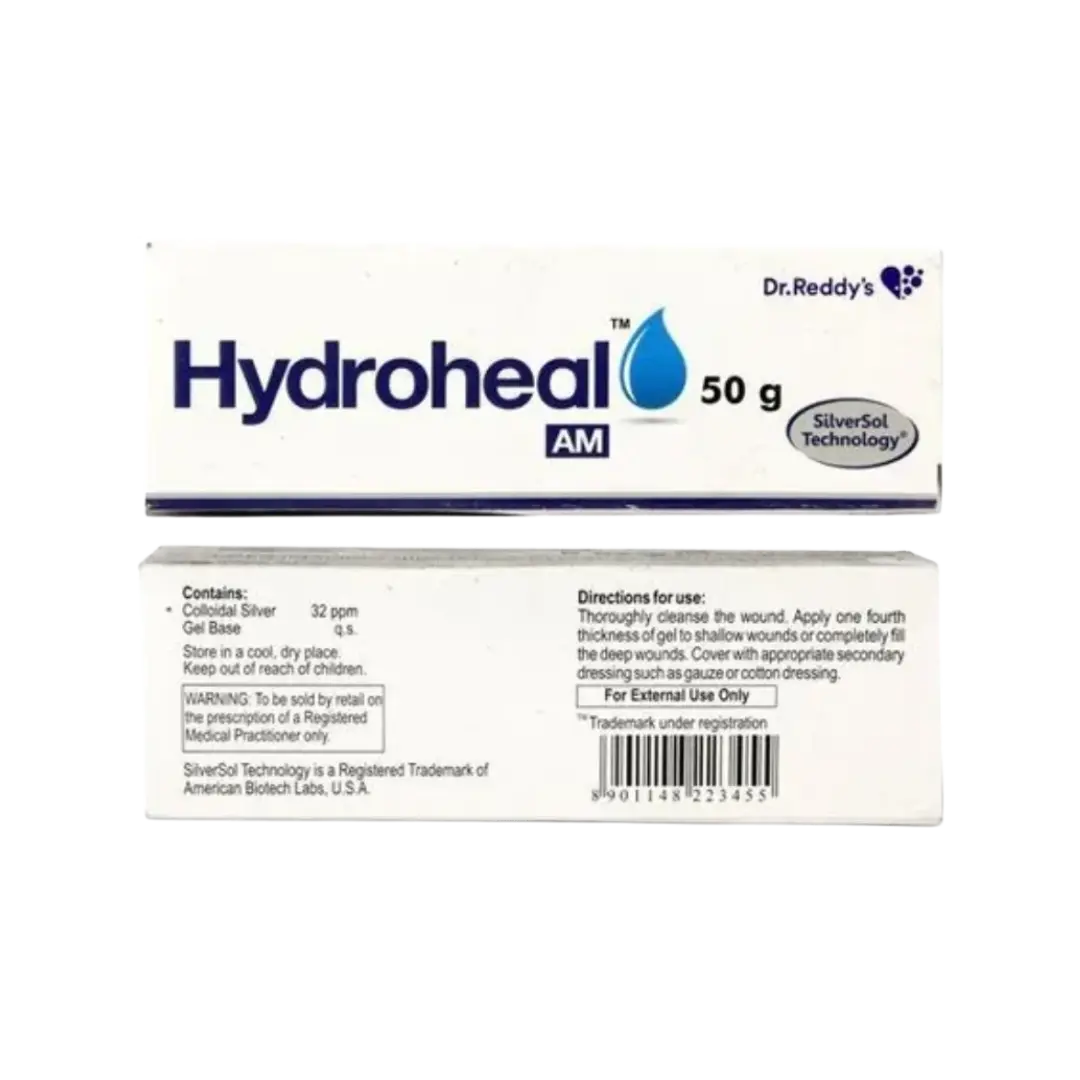


Advanced wound management has evolved rapidly, and Wound VAC therapy, also known as Negative Pressure Wound Therapy (NPWT), has become a cornerstone in modern clinical practice. This innovative wound healing solution helps accelerate recovery, reduce complications, and improve patient outcomes across a wide range of acute and chronic wounds.
In this guide, we explore the essentials of Wound VAC treatment, how it works, when it is used, and why it plays a critical role in contemporary wound care.
What Is Wound VAC Therapy?
Wound VAC (Vacuum-Assisted Closure) therapy is a medical wound treatment that applies controlled negative pressure to the wound bed using a sealed dressing system. The therapy removes excess fluid, reduces edema, promotes blood flow, and stimulates healthy tissue growth.
Focus Keyphrases Used:
- Wound VAC therapy
- Negative Pressure Wound Therapy
- Advanced wound care treatment
How Wound VAC Therapy Works
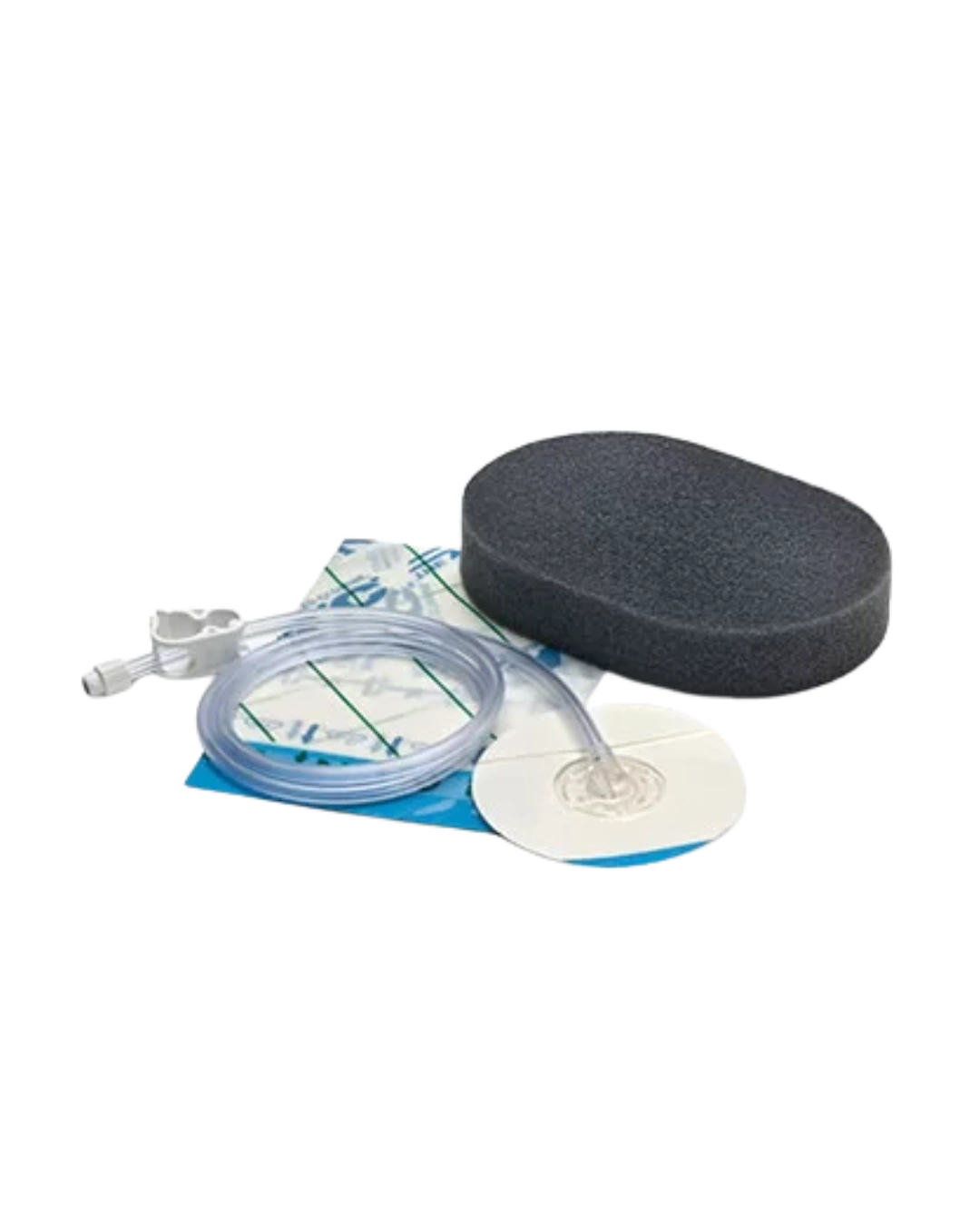
A Wound VAC system consists of:
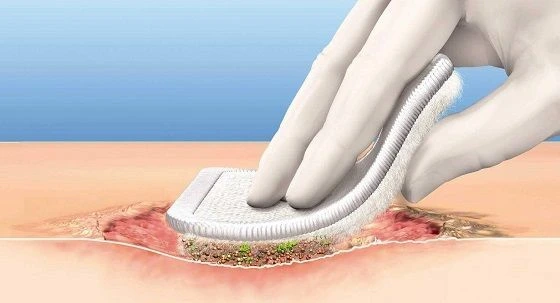
- A foam or gauze dressing placed inside the wound
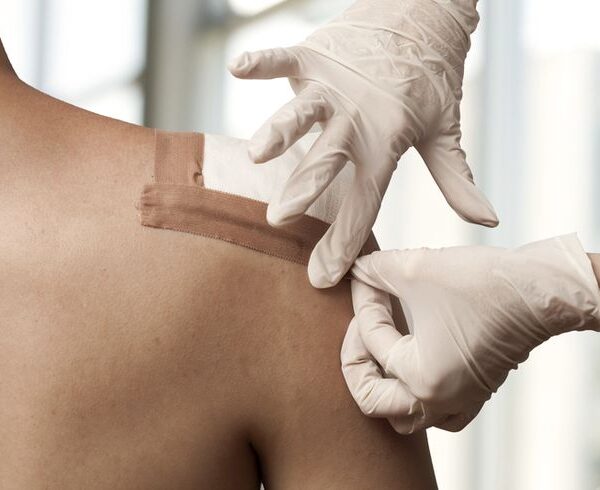
- An airtight adhesive drape to seal the area
- A vacuum pump that applies negative pressure
The negative pressure:
- Draws wound edges together
- Removes infectious materials and exudate
- Improves oxygen delivery to tissues
- Encourages granulation tissue formation
This controlled healing environment supports faster and safer wound recovery.
Clinical Benefits of Wound VAC Treatment
Wound VAC therapy offers several evidence-based benefits in modern wound care:
- Accelerates wound healing
- Reduces wound size and depth
- Minimizes infection risk
- Decreases frequency of dressing changes
- Enhances patient comfort and mobility
These benefits make NPWT an effective option in both hospital and home-care settings.
Common Indications for Wound VAC Therapy
Wound VAC treatment is widely used for:
- Diabetic foot ulcers
- Pressure injuries (bed sores)
- Venous and arterial ulcers
- Surgical and post-operative wounds
- Traumatic and open wounds
- Chronic non-healing wounds
Proper wound assessment is essential before initiating therapy to ensure optimal outcomes.
When Wound VAC Therapy Should Be Avoided
While highly effective, Wound VAC therapy is not suitable for every wound. It is generally not recommended in cases of:
- Untreated osteomyelitis
- Malignancy within the wound
- Exposed organs or blood vessels
- Necrotic tissue without debridement
A wound care specialist should always evaluate the patient before starting treatment.
Role of Wound VAC in Modern Wound Care Practice
Modern wound care focuses on faster healing, infection prevention, and patient quality of life. Wound VAC therapy aligns perfectly with these goals by combining technology with clinical expertise.
When integrated with:
- Proper wound debridement
- Advanced wound dressings
- Infection control protocols
- Patient education
Wound VAC systems become a powerful tool in comprehensive wound management.
Choosing the Right Wound Care Products
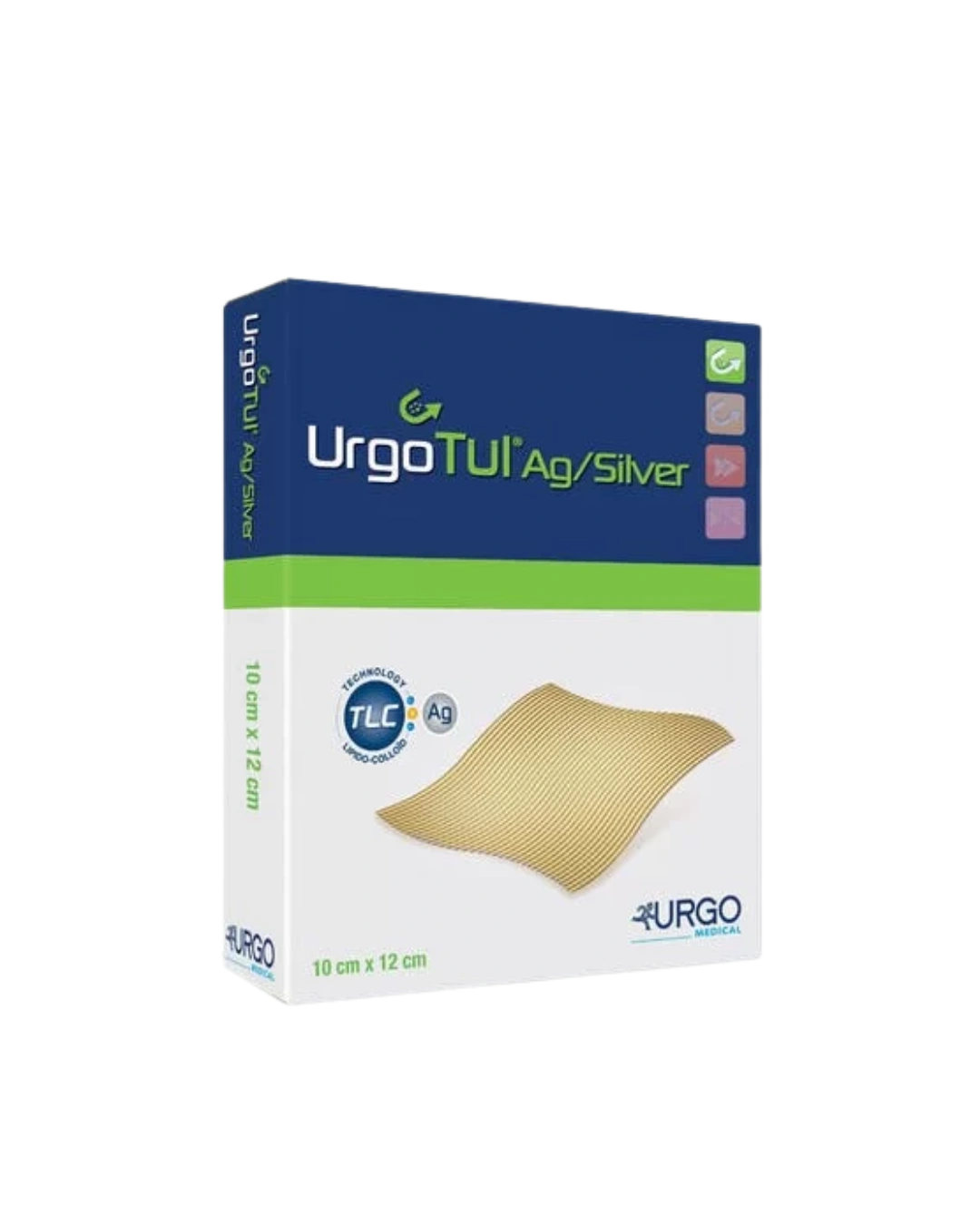
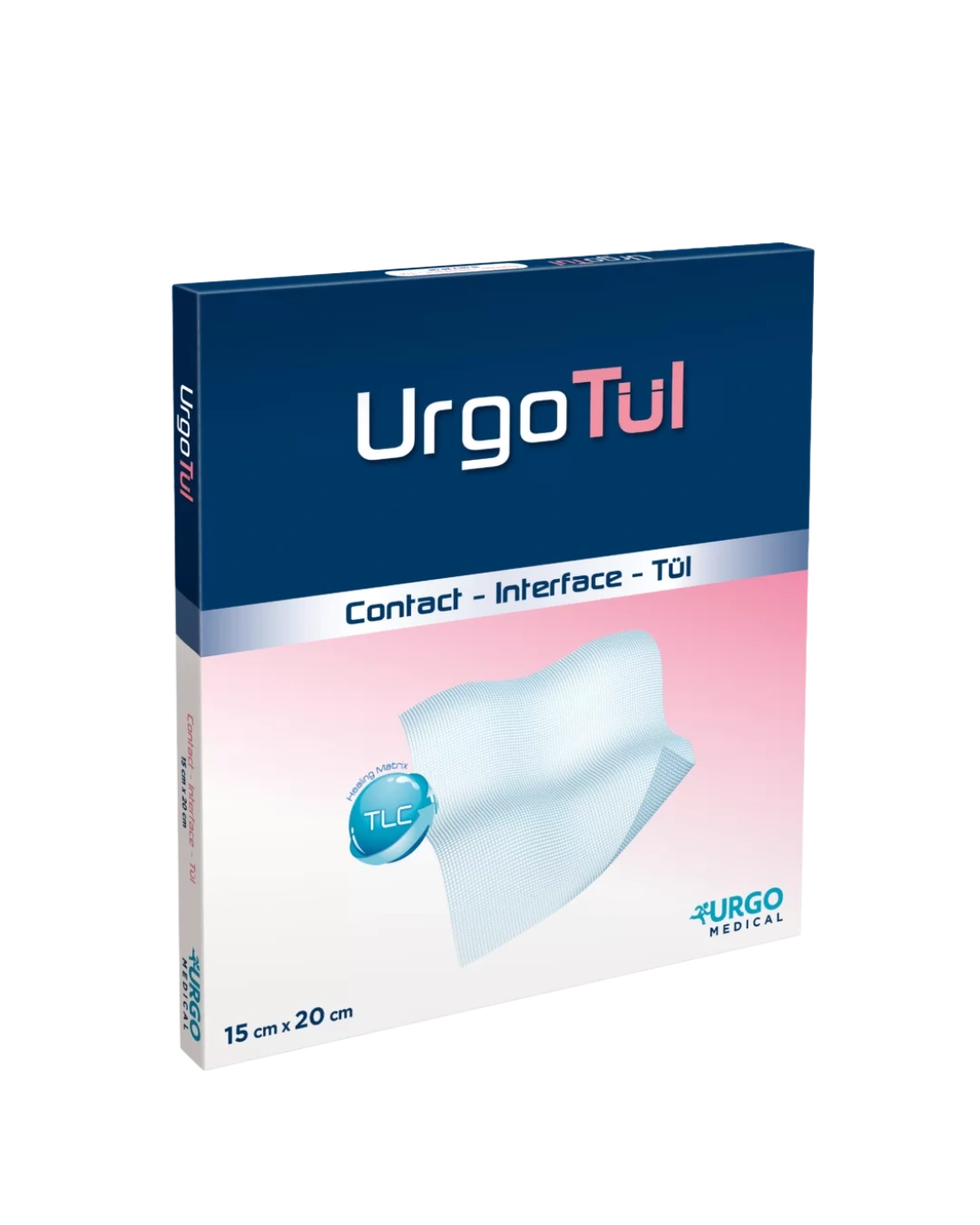
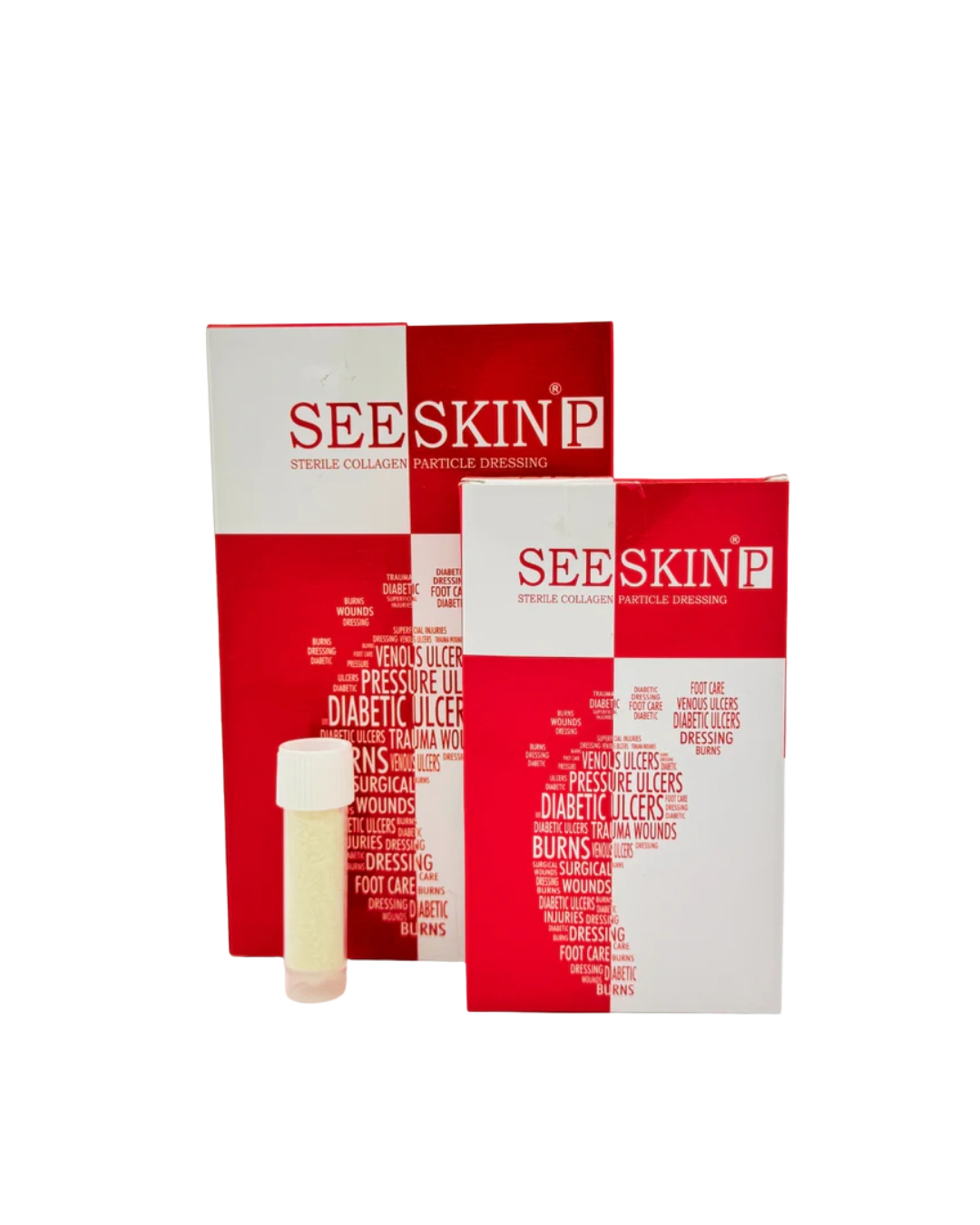
The success of Wound VAC therapy also depends on the quality of wound care accessories used, including:
- NPWT foam and drapes
- Skin protection barriers
- Secondary wound dressings
- Securement and sealing products
Using trusted, medical-grade wound care supplies ensures safety, consistency, and better healing outcomes—especially in long-term wound care cases.
Final Thoughts
Wound VAC treatment has transformed modern wound care by offering a clinically proven, patient-centered approach to healing complex wounds. When used appropriately, it significantly reduces healing time and improves overall outcomes.
For clinicians, caregivers, and patients alike, understanding the essentials of Wound VAC therapy is key to delivering effective, advanced wound care in today’s healthcare environment.