

Wound healing cannot begin effectively when dead or infected tissue is present. Wound debridement is a critical step in modern wound care that helps reset the healing process by removing barriers that delay recovery.
At WoundCareMart, we believe understanding why debridement is necessary empowers patients and caregivers to make informed, confident wound care decisions.
What Is Wound Debridement?
Wound debridement is the medical removal of:
- Dead (necrotic) tissue
- Infected tissue
- Foreign material
- Thick slough or debris
This process allows healthy tissue to regenerate and significantly lowers the risk of infection.
Without debridement, wounds—especially chronic and non-healing wounds—can stall for weeks or months.
Why Wound Debridement Is So Important
Dead tissue:
- Blocks oxygen and nutrients
- Traps bacteria
- Prevents new tissue formation
Debridement helps by:
- Reducing infection risk
- Stimulating granulation tissue
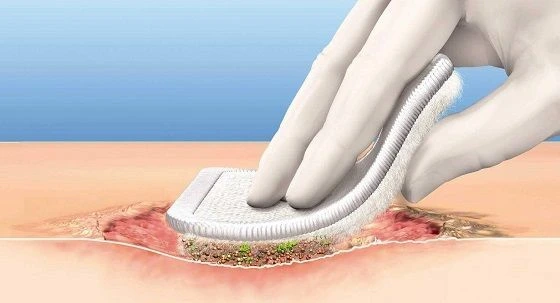
- Improving effectiveness of wound dressings
- Speeding up overall healing
Types of Wound Debridement Explained
Different wounds require different debridement approaches. Choosing the right method depends on wound condition, patient health, and infection risk.
1. Autolytic Debridement (Natural & Gentle)
Autolytic debridement uses the body’s own enzymes and moisture to break down dead tissue.
Best For:
- Minor necrotic tissue
- Non-infected wounds
- Patients with pain sensitivity
Key Advantages:
- Painless
- Selective to dead tissue
- Safe for long-term wound care
Supportive Products:
Hydrogel dressings, hydrocolloids, moisture-retentive wound dressings.
2. Enzymatic Debridement (Targeted Action)
Enzymatic debridement uses topical enzymes to selectively dissolve necrotic tissue.
Best For:
- Chronic wounds
- Patients not suitable for surgery
- Pressure ulcers and diabetic foot ulcers
Key Advantages:
- Faster than autolytic methods
- Controlled and selective
- Minimal discomfort
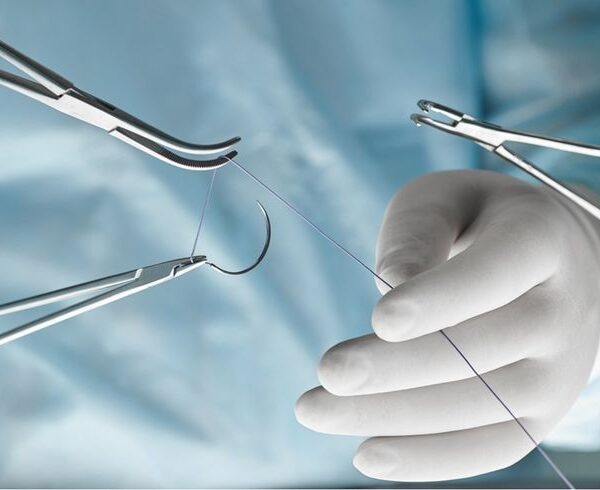
3. Sharp or Surgical Debridement (Fast & Effective)
Sharp debridement involves the removal of dead tissue using sterile surgical instruments by trained professionals.
Best For:
- Infected wounds
- Extensive necrosis
- Rapidly deteriorating wounds
Key Advantages:
- Immediate results
- Quickly reduces bacterial load
- Allows faster transition to healing phase
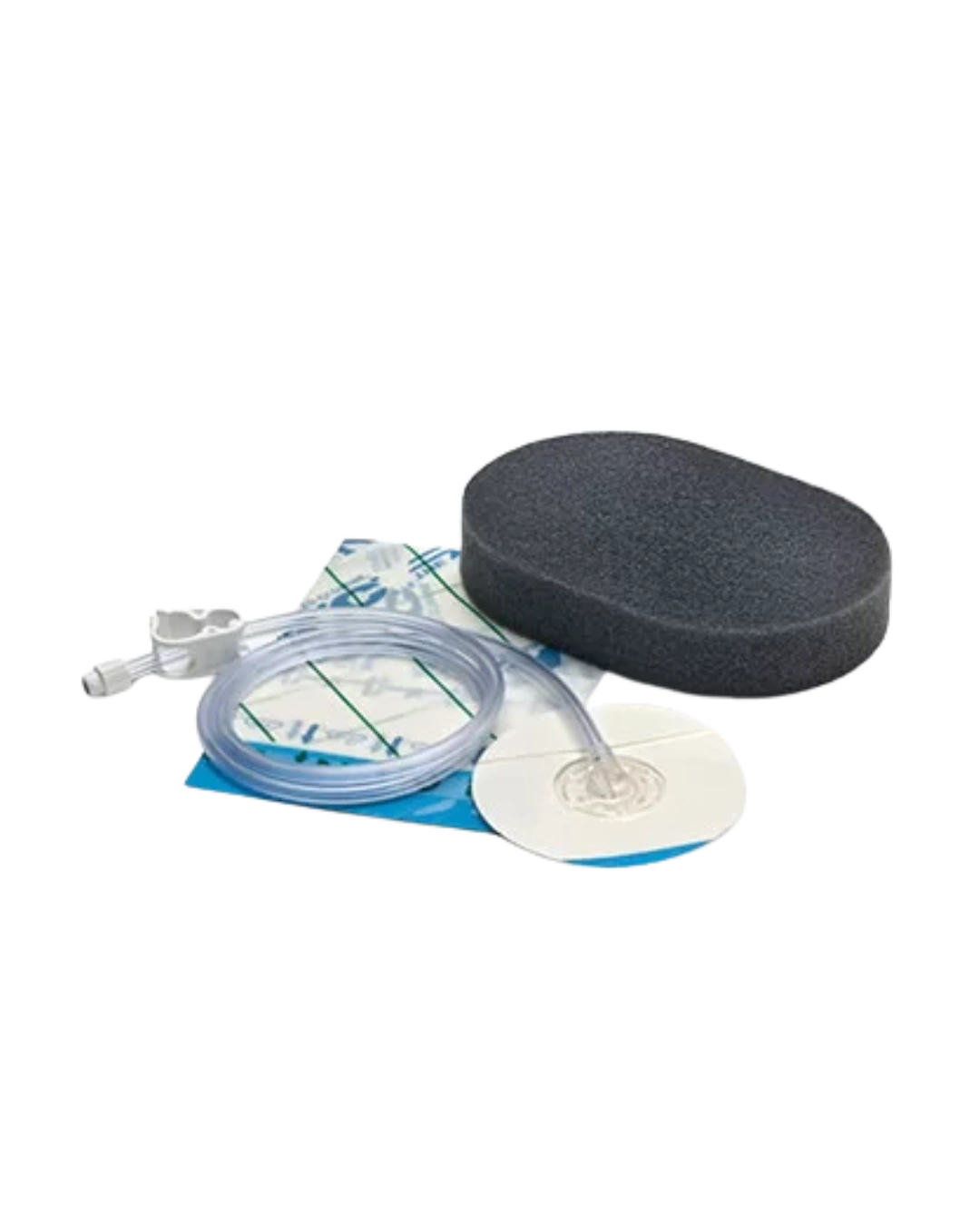
4. Mechanical Debridement (Physical Removal)
Mechanical debridement removes dead tissue through physical force.
Common Methods:
- Wet-to-dry dressings
- Wound irrigation
- Low-frequency ultrasound
Considerations:
Can affect healthy tissue
May cause discomfort
Requires careful monitoring
5. Biological Debridement (Maggot Therapy)
Biological debridement uses sterile larvae to consume dead tissue while leaving healthy tissue intact.
Best For:
- Chronic non-healing wounds
- Antibiotic-resistant infections
Unique Benefits:
- Highly selective
- Reduces bacteria
- Stimulates healing factors
When Is Wound Debridement Necessary?
Debridement is often recommended when:
- Wounds show black or yellow tissue
- Healing has stalled
- There is foul odor or infection
- Chronic wounds fail to improve
Early intervention leads to shorter healing time and fewer complications.
Role of Proper Wound Care After Debridement
Debridement alone is not enough. Post-debridement care must:
- Maintain optimal moisture balance
- Protect new tissue
- Prevent reinfection
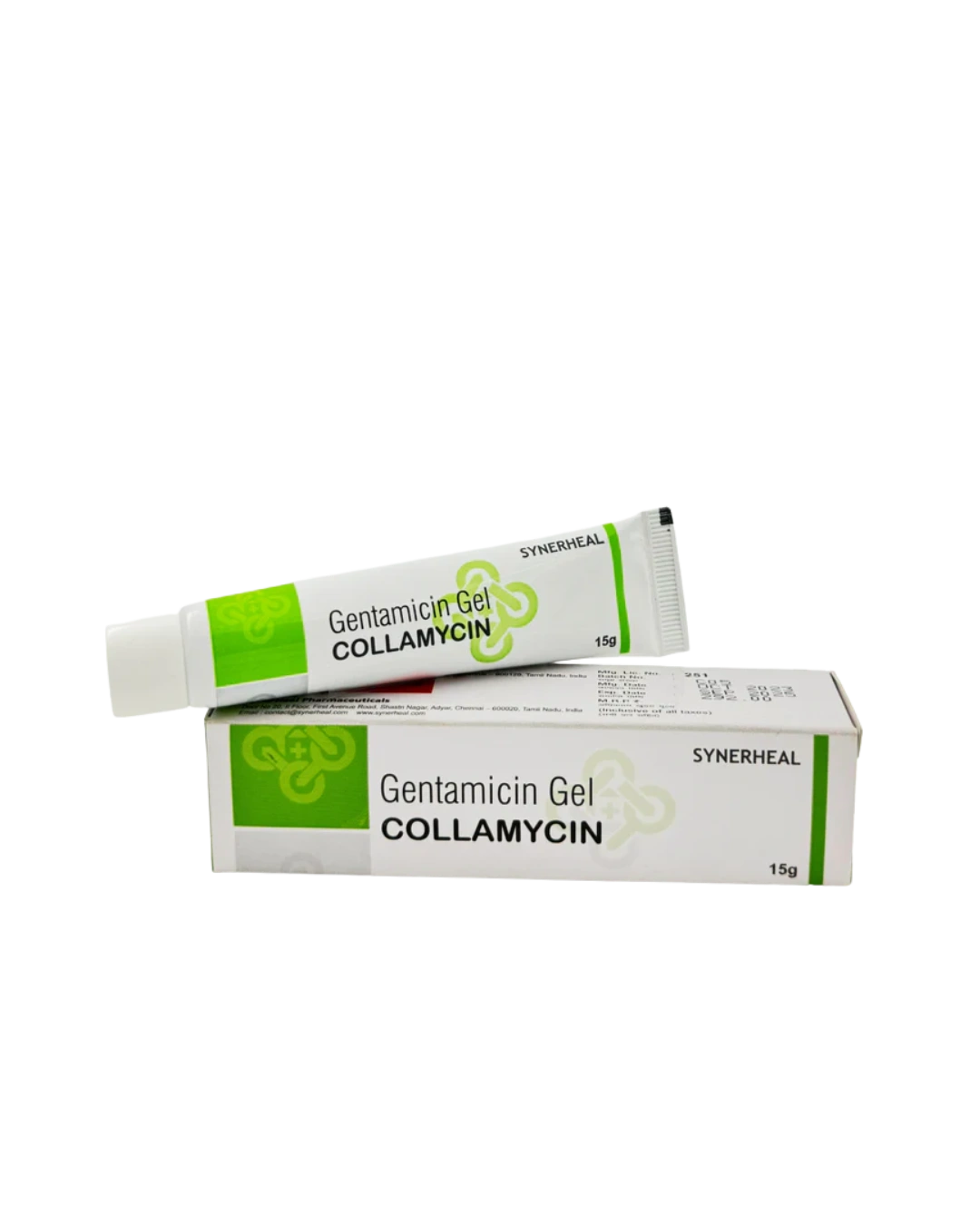
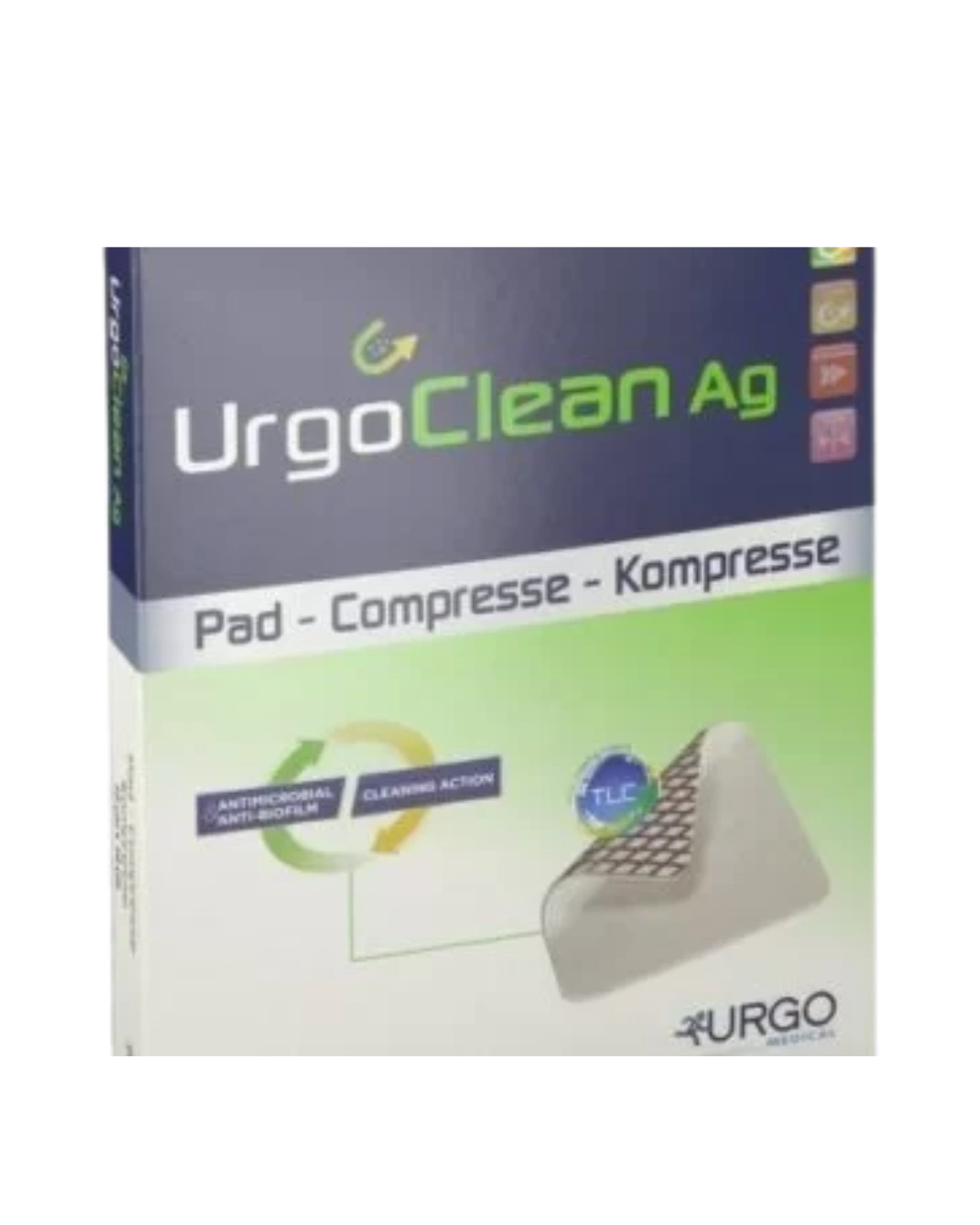
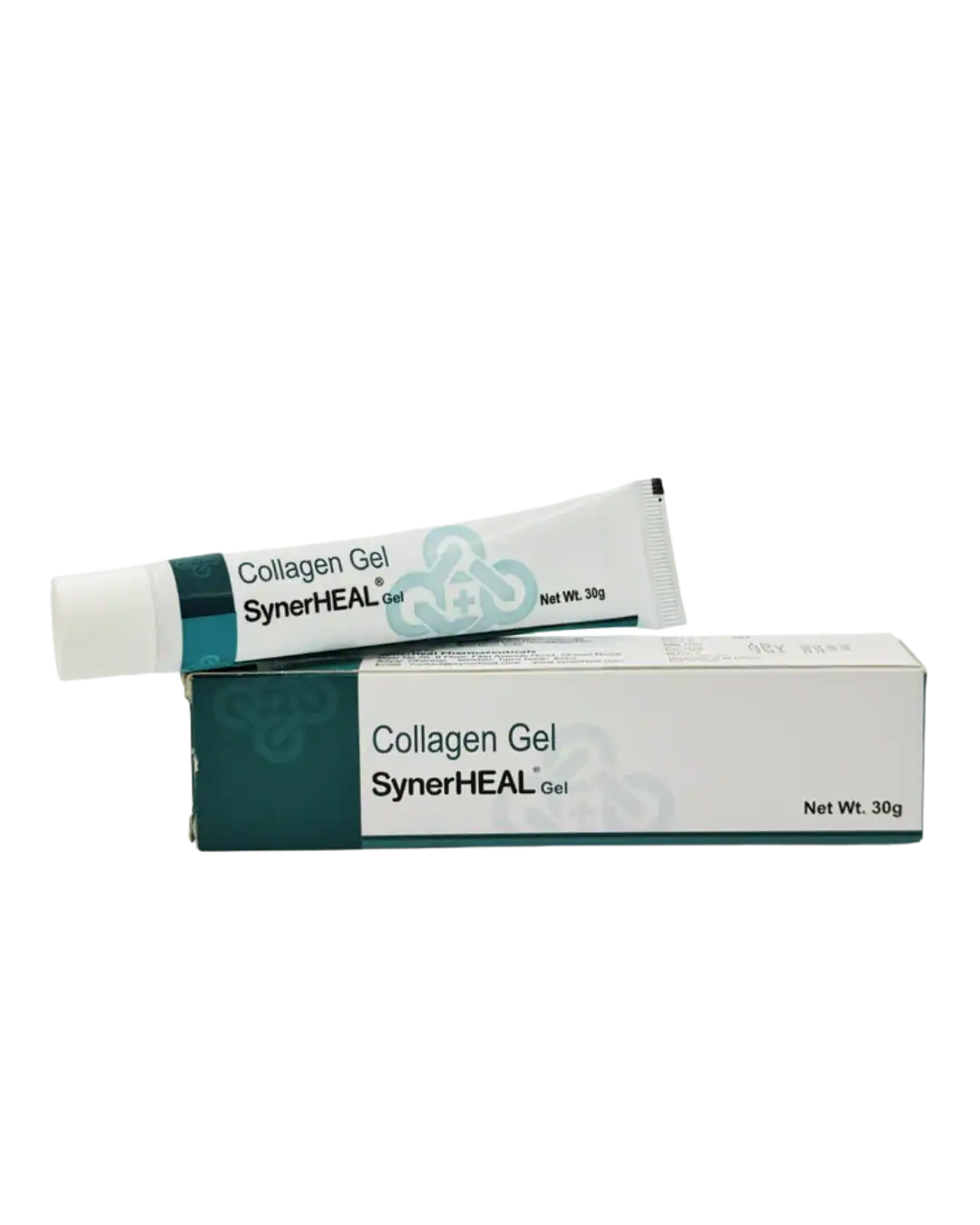
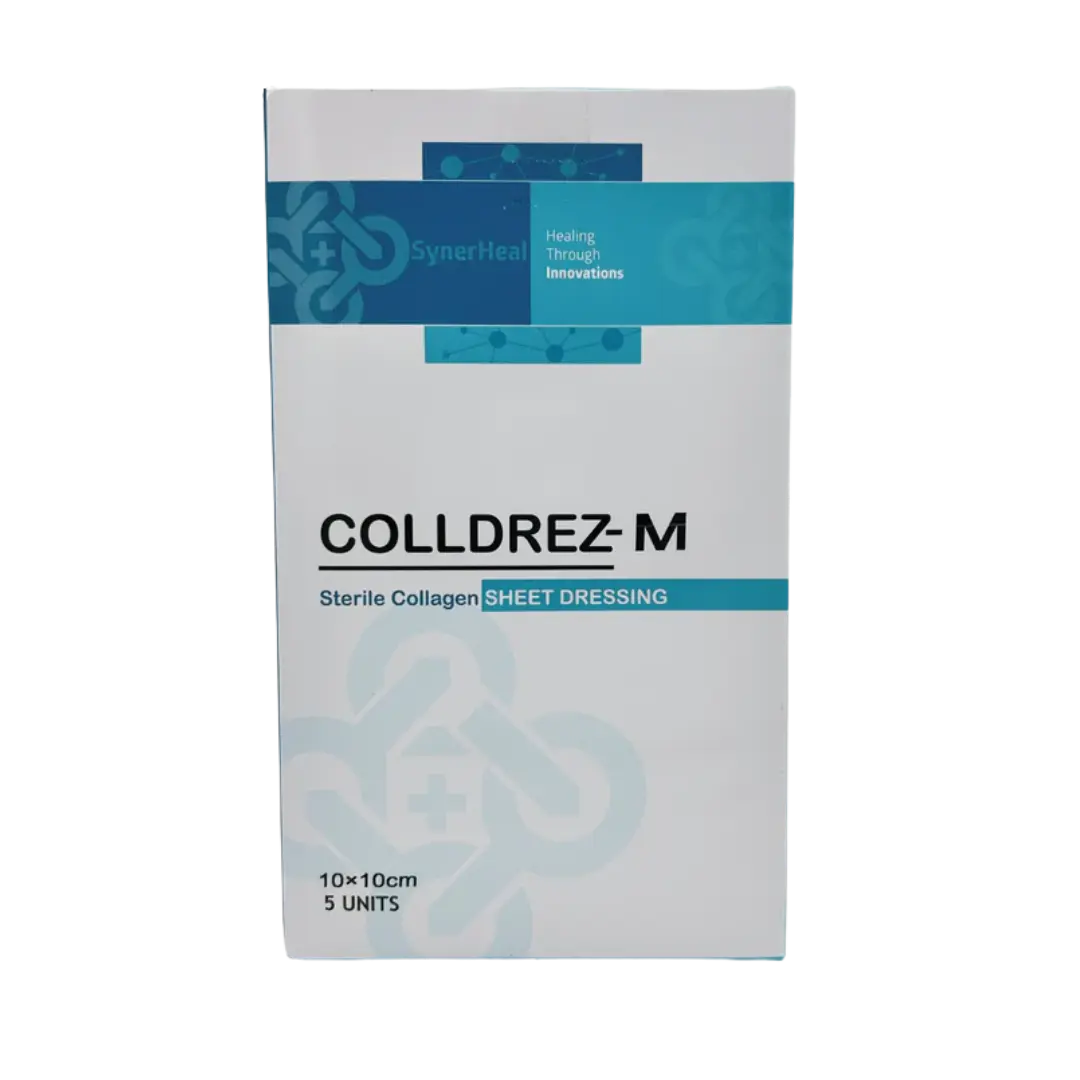
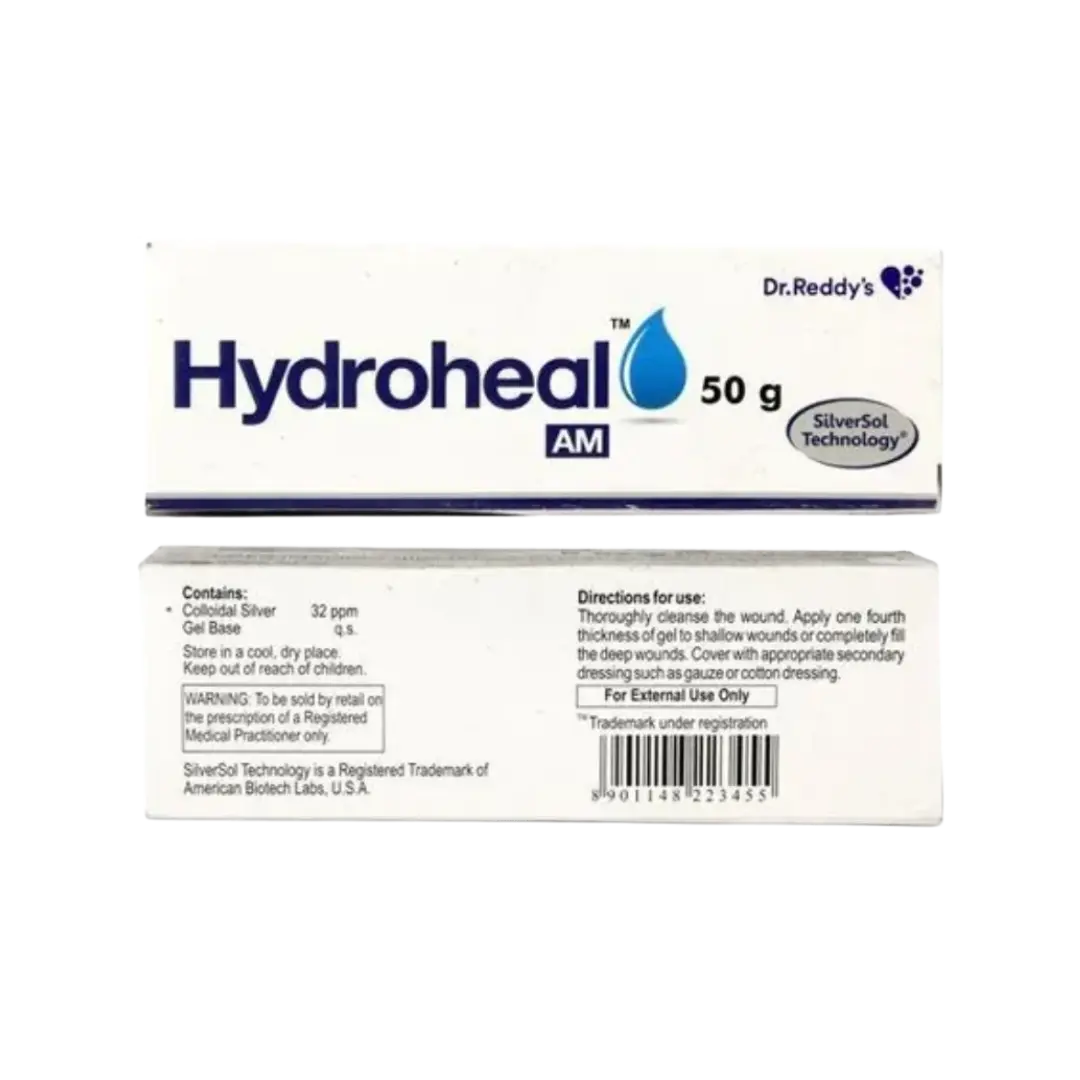
Using clinically appropriate wound dressings and antiseptic solutions supports faster recovery and patient comfort.
How WoundCareMart Supports Safe Wound Healing
Our pharmacist-guided wound care solutions help support every stage of healing—from debridement to closure—ensuring patients and caregivers have access to reliable, medical-grade wound care essentials without delay.
Final Thoughts
Wound debridement is not just tissue removal—it is a healing restart.
By clearing away what the body cannot repair, debridement creates the conditions needed for healthy tissue to grow.
Understanding the types of wound debridement and their purpose helps ensure safer, faster, and more effective wound healing.