

Wound closure is a critical step in the healing process. Choosing the right wound closure method can significantly reduce infection risk, minimize scarring, and speed up recovery. At WoundCareMart, we believe informed wound care decisions lead to better patient outcomes.
This guide explains the different types of wound closure, when they are used, and what they mean for safe and effective healing.
Why Wound Closure Matters in Modern Wound Care
An open wound is vulnerable to:
- Infection
- Excessive moisture loss
- Delayed healing
- Tissue damage
Proper wound closure:
- Brings wound edges together
- Supports natural tissue regeneration
- Protects against contamination
- Improves cosmetic outcomes
Different wounds require different closure techniques—there is no one-size-fits-all solution.
1. Primary Wound Closure (Immediate Closure)
Primary closure involves closing a wound immediately after injury using sutures, staples, or adhesive materials.
Common Uses:
Surgical incisions
Clean, straight cuts
Fresh traumatic wounds
Benefits:
Faster healing time
Minimal scarring
Lower infection risk (when wound is clean)
Recommended Support Products:
Sterile sutures, surgical tapes, antiseptic wound dressings, and protective coverings.
2. Secondary Wound Closure (Healing by Secondary Intention)
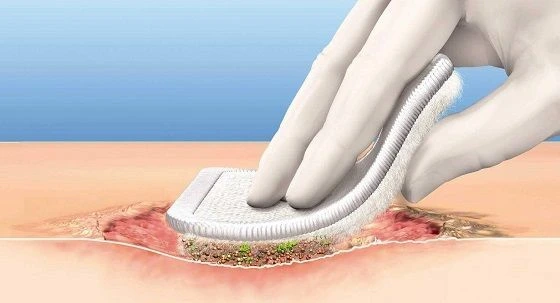
In secondary closure, the wound is left open to heal naturally through granulation, contraction, and epithelialization.
Common Uses:
- Infected wounds
- Pressure ulcers
- Diabetic foot ulcers
- Large tissue loss wounds
Benefits:
- Allows drainage of infection
- Reduces risk of trapping bacteria
- Ideal for complex chronic wounds
Essential Wound Care Support:
Advanced dressings, foam dressings, antimicrobial solutions, and moisture-balancing products.
3. Tertiary Wound Closure (Delayed Primary Closure)
Tertiary closure is a planned delay in wound closure. The wound is initially left open, monitored, and closed once infection risk reduces.
Common Uses:
- Contaminated wounds
- High-risk surgical wounds
- Trauma wounds
Benefits:
- Combines infection control with faster healing
- Reduces post-surgical complications
Ideal Wound Care Approach:
Frequent wound assessment, cleansing solutions, and sterile dressing changes before closure.
4. Mechanical Wound Closure Methods
Mechanical closure involves physically holding wound edges together.
Types Include:
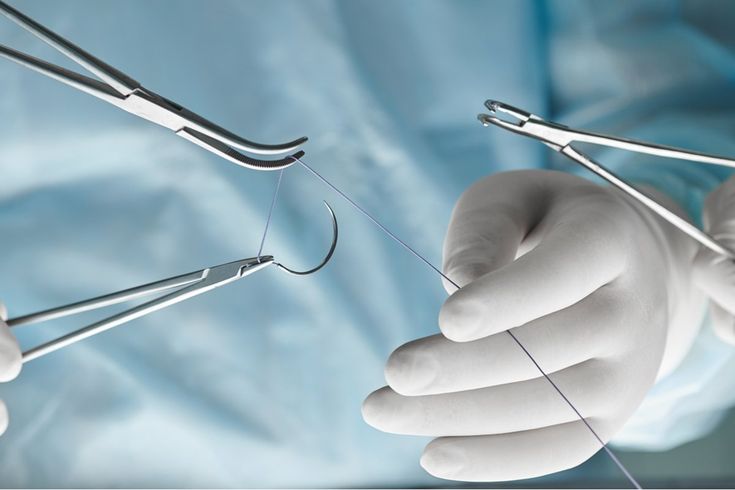
- Sutures: Precise and strong, ideal for deep wounds
- Staples: Fast application, often used in surgeries
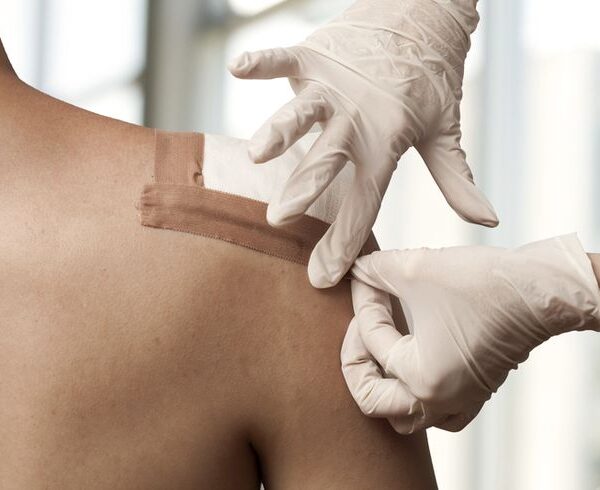
- Adhesive Strips: Non-invasive option for minor wounds
When Used:
- Based on wound depth, location, and tension
5. Advanced Wound Closure Techniques
Modern wound care now includes advanced closure technologies for complex wounds.
Common Techniques:
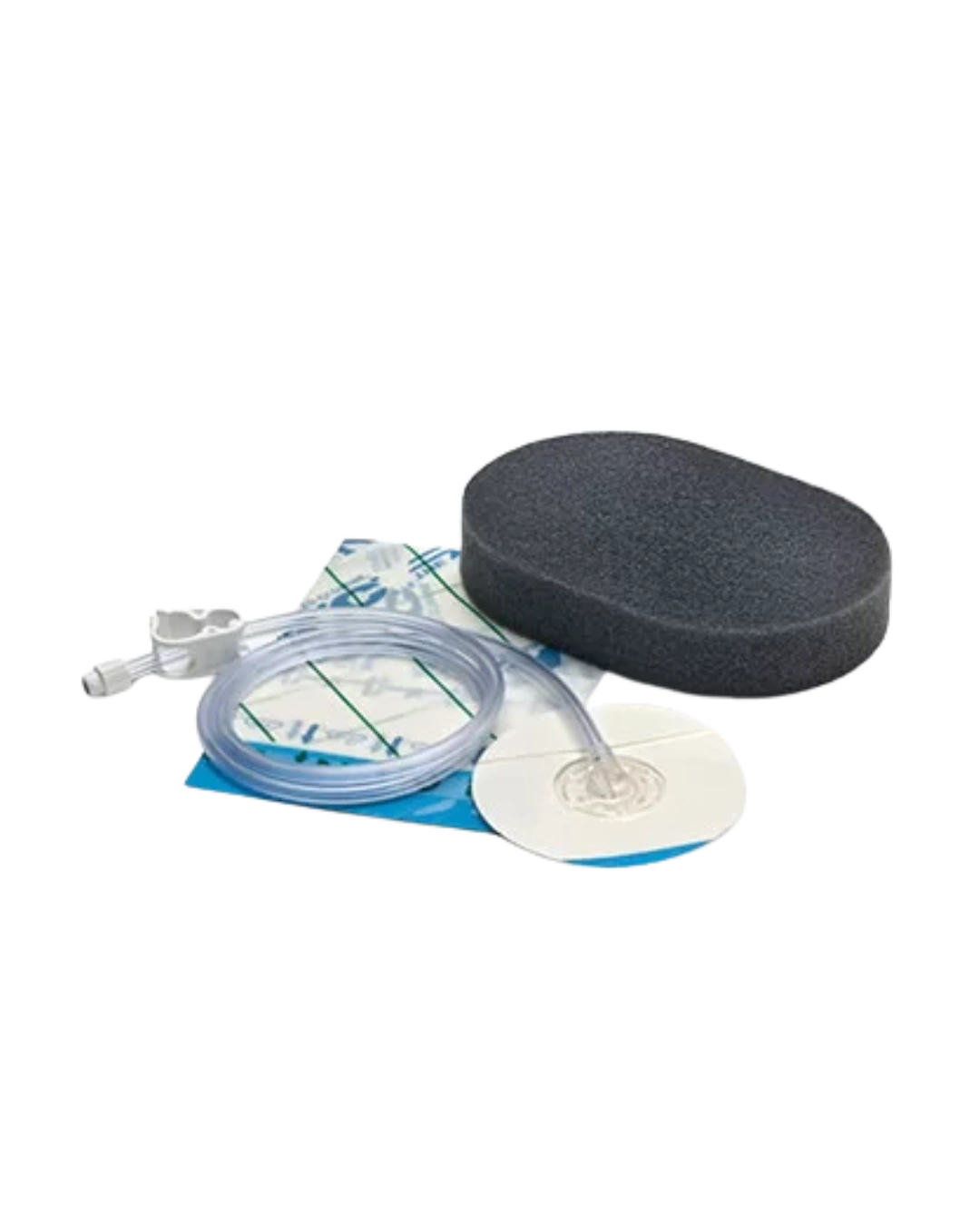
- Negative Pressure Wound Therapy (NPWT)
- Skin grafts and flaps
- Tissue adhesives (medical glue)
Benefits:
- Enhanced blood flow
- Faster granulation
- Reduced hospital stays
These techniques are commonly supported by advanced wound dressings and monitoring products.
Choosing the Right Wound Closure Method
The best wound closure method depends on:
- Wound size and depth
- Level of contamination
- Patient health (diabetes, age, circulation)
- Location of the wound
Consulting a wound care specialist or pharmacist ensures the safest healing pathway.
How Proper Wound Care Products Improve Closure Outcomes
Even the best closure technique requires correct post-closure care.
Using clinically trusted wound care products helps:
- Prevent infection
- Maintain ideal moisture balance
- Promote faster tissue repair
At WoundCareMart, we support healing with pharmacist-recommended wound care essentials—delivered quickly and reliably.
Final Thoughts
Understanding the types of wound closure and what they mean empowers patients, caregivers, and healthcare providers to make better wound care decisions. From simple cuts to chronic ulcers, choosing the right closure method can make a lasting difference in healing quality and comfort.
Healing starts with the right care—at the right time.